
BEHAVIOR.
WHY DO I? WHY DO WE?

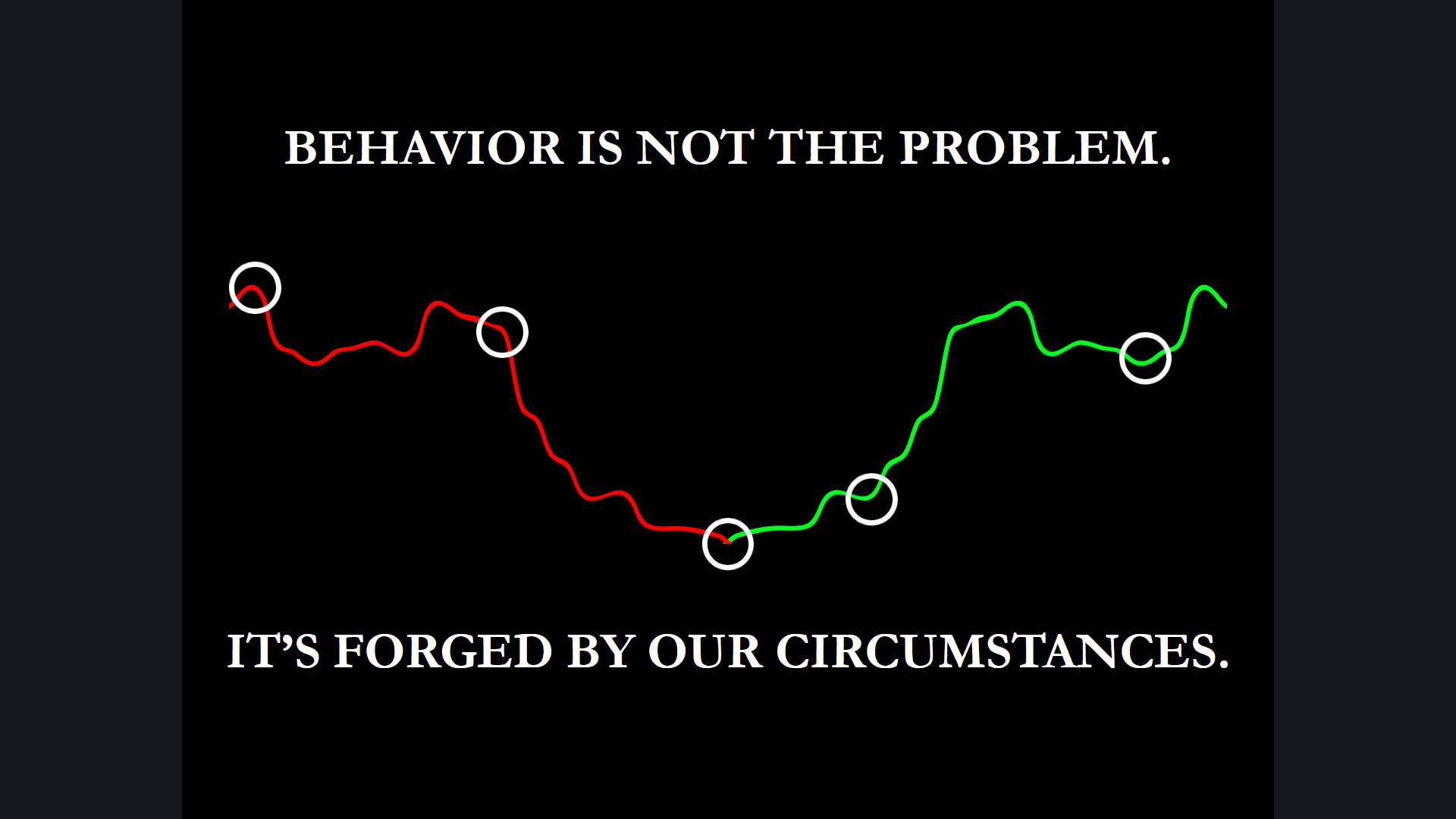
Why do I do it?
Where does the desire come from?
How do I pull off such a complex objective?
What pushes me over the edge?
I do know, actually. I am a product of my environment. I didn’t understand how it made me, but that’s how the world works. Until the day I made the unaware a conscious focus in my mind, I thought it was fate. Now I make decisions about who receives funding via oxygengrants.org.
I begin to notice a trend: from the young builders, artists, creators to the immigrants and public servants. Their behavior to life’s uncertainty is dictated by their personal conditions. All the categories I mentioned always have high resilience, endless sources of grit, and persist until it works out. Occasionally, these traits work to become an effective solution to their current situation.
The best simplification I’ve found to this phenomena is by Dr. BJ Fogg, PhD and the Behavior Design Lab at Stanford University. He created this equation to explain my observation:
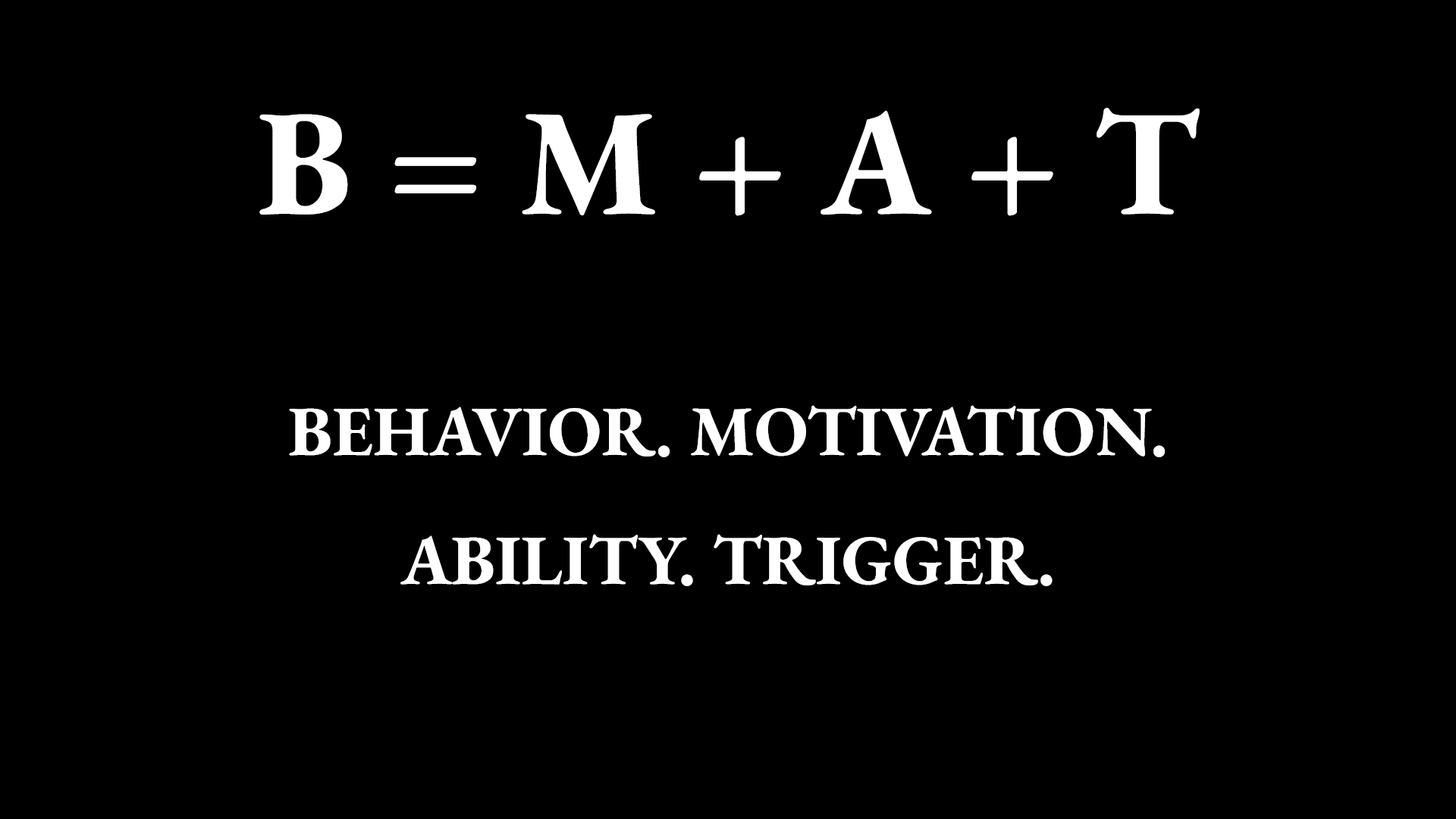
A person’s behavior is an outcome; for any behavior to change, there are three independent variables:
Motivation, Ability, Trigger.
But to make a permanent adjustment, it’s best to tweak all three.
The builders, artists, creators, immigrants, and public servants that I’ve encountered all have a specific experience(s) that flicked on the switch from their old them to the current version I interact with.
The biggest trigger and motivation for people to instantly take action is when they would change their behavior due to their circumstances than to remain the same. In some cases, when a situation is absolutely unbearable, the concern of one’s ability to execute on the task goes to zero. [A = 0]
The equation eventually becomes: B = M + T
The reason they do not care about their ability to execute is because it’s a distraction; it is literally sink-or-swim. In this case:
Motivation = Desire to change their behavior.
Trigger = What happens if you do not change behavior.
In a few cases, the people I’ve met have the hope of a better future as their motivation; it surprises me because usually positive sparks may fade away faster and cause momentum to stop faster than a negative emotion.
I can now understand where my grit comes from; living with an immigrant family and community shows me that “no” ain’t an option.
We gotta make it out somehow to somewhere.
DM.
To learn more about the BMAT framework and Dr. BJ Fogg, visit:
https://www.behaviormodel.org/
https://behaviouralchange.leading-brains.com/b-mat/